Reading Guide: Angular Web Development Handbook
For JavaScript developers ready to build their first real single-page apps with Angular
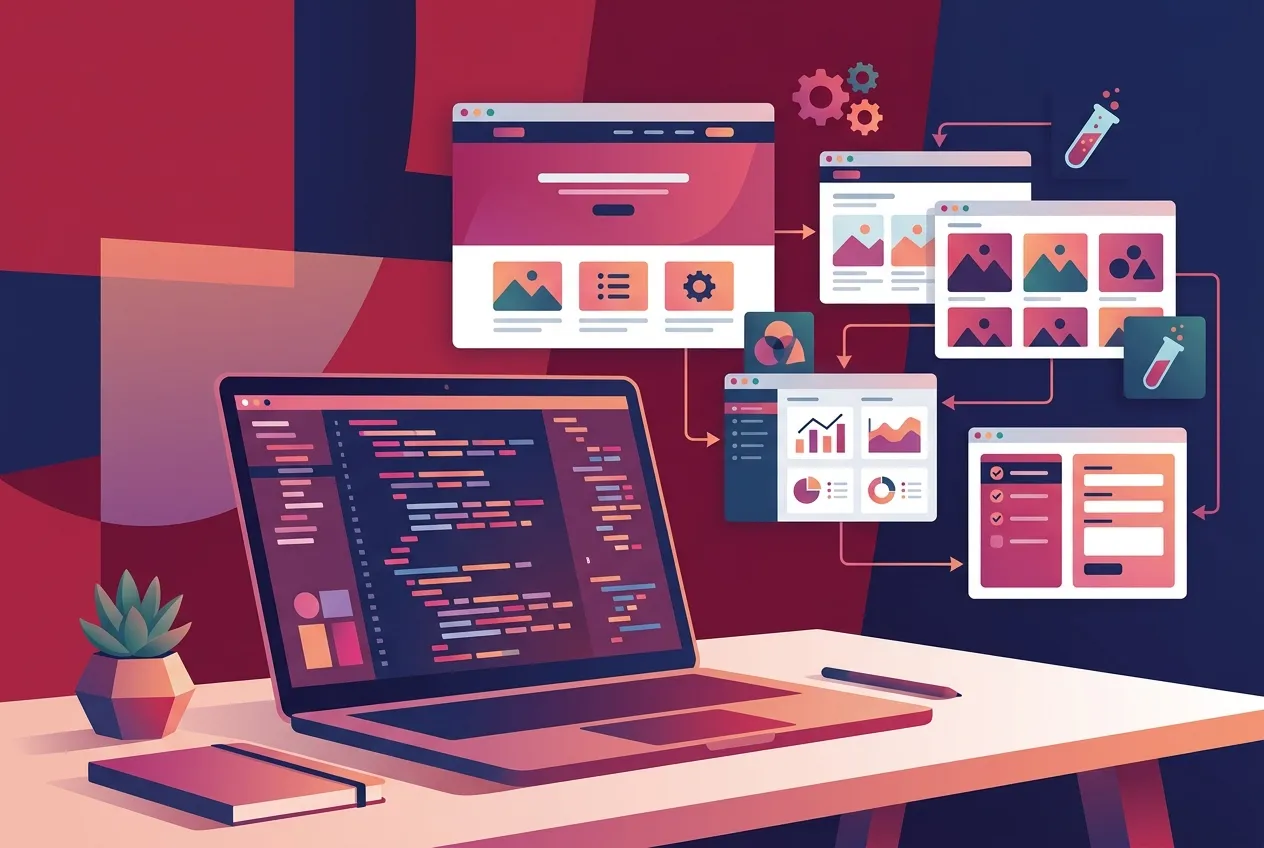
Angular is one of the big three front-end frameworks, and it has a reputation for being complete but demanding: components, templates, dependency injection, routing, forms and testing all come in one opinionated package. Angular Web Development Handbook by Onyx Rose is a 376-page, independently published guide from 2025 that promises a hands-on path through those pieces, with explanations, worked examples and step-by-step tutorials. This reading guide will help you prepare, choose a sensible order, and turn the book into working skills.
Get the book: Find Angular Web Development Handbook on the BooksPlusAi shelf
What this book is (and who it's for)
According to the publisher's description, the handbook aims to take readers from understanding Angular's core concepts to building dynamic, responsive and scalable web applications. The topics it highlights are building components, managing forms, routing, working with APIs, and testing, along with best practices for clean, maintainable code.
It is a good fit if you:
- Know HTML, CSS and JavaScript and want to move from simple pages to full single-page applications.
- Have used another framework, such as React or Vue, and want to understand Angular's way of doing things.
- Are starting a job or project that already uses Angular and need a structured ramp-up.
Complete beginners to programming should first get comfortable with JavaScript fundamentals: variables, functions, arrays, objects, modules and promises. Angular is written in TypeScript, so basic familiarity with types and classes will also make the examples easier to follow.
Before you start
Set up a working environment before chapter one so you can type along:
- Node.js and npm installed (use a current long-term-support release).
- The Angular CLI, which creates, serves, tests and builds projects from the command line.
- A code editor with TypeScript support. VS Code with the official Angular language extension is a popular choice.
- Browser developer tools, for inspecting elements, network calls and console errors.
- A scratch project created with the CLI, where you can try each concept in isolation.
Angular releases new major versions regularly, so check which version the book's examples assume and note any differences you meet in the current documentation. Small syntax changes are normal and good practice to work through.
How to read it
Follow the book's own order, but group your study into five stages that match the topics the handbook emphasizes:
- Foundations and components. Learn how an Angular app is structured and how components combine a TypeScript class, a template and styles. Build several small components and pass data between them before moving on. Do not skim this stage; everything else depends on it.
- Forms. Work through building and validating forms. Build one realistic form, such as a sign-up or checkout form, with validation messages.
- Routing. Turn your components into a multi-page app with navigation and route parameters. Sketch your app's route map on paper first.
- Working with APIs. Connect your app to real data. Use a free public API or a simple mock server, and practice handling loading states and errors.
- Testing and best practices. Treat testing as part of building, not an afterthought. Write tests for at least one component and one data service.
On a first pass, skim advanced tips and optimizations if they slow you down, and come back once you have a small app working end to end. If you already know another framework, move quickly through the introductory material and spend more time on Angular-specific ideas such as services and dependency injection.
Key ideas to take away
- Everything is a component. Angular apps are trees of focused, reusable components. Keeping each one small makes apps easier to grow.
- Separate concerns. Components handle display; services handle data and logic. This split keeps code testable and maintainable.
- Forms deserve design. Validation, error messages and user feedback are where many real apps succeed or fail.
- Routing shapes the user experience. A clear route structure makes an app feel like a coherent product.
- Testing builds confidence. Tests let you refactor and upgrade Angular versions without fear.
Practice and discussion questions
- Build a three-page app (list, detail, form) using routing. Which components did you create, and why did you split them that way?
- When should logic live in a service rather than a component? Give two examples from your project.
- Add validation to a form. How do you show errors without overwhelming the user?
- Fetch data from an API. How does your app behave while loading, and when the request fails?
- Write a test for one component. What did writing the test reveal about the component's design?
- Compare Angular's approach to one other framework you know. What does Angular give you out of the box, and what does it cost in complexity?
- Pick one best practice from the book and refactor your project to follow it. What changed?
Pair it with
- Solid modern JavaScript. Angular builds on it constantly. Also in our store, Murach's Modern JavaScript is a structured way to strengthen those fundamentals.
- HTML and CSS for layout. Good Angular apps still depend on clean markup and responsive styling. Murach's HTML and CSS (6th Edition), also in our store, covers this ground.
- TypeScript and RxJS basics. Angular uses both heavily; short tutorials from the official documentation are a useful companion as you read.
Closing thoughts
Angular rewards steady, hands-on practice. Read a section, build it, break it, fix it, and by the end of this handbook you should have a small but real application to show for your effort. When you are ready, find Angular Web Development Handbook on the BooksPlusAi shelf and start building.
As an Amazon Associate, BooksPlusAi may earn from qualifying purchases.
Sources
Browse the books mentioned here and more on our shelves.








Comments
No comments yet — be the first to share your thoughts.
Join the discussion